

Realms Group. Holding company that is building the bridges to what's next. The brand challenge was to organise four fast-growing digital entertainment companies under one coherent structure without forcing artificial unity.
ValkaAI. Unfolding the brand.
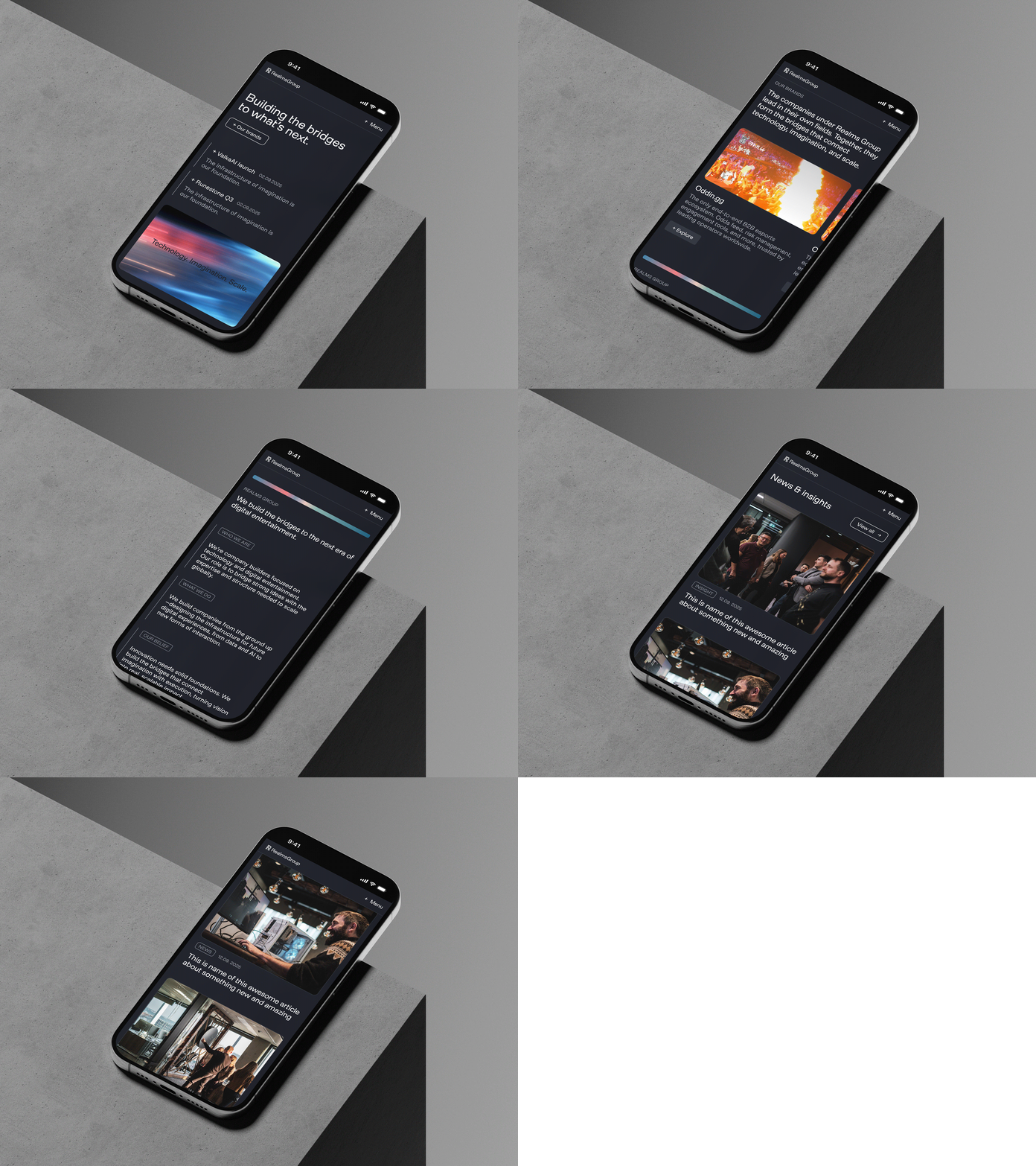
- Challenge
The brand challenge: create an architecture that signals shared standards and credibility while letting each portfolio brand own its category independently. No forced visual unity. No corporate overlay that dilutes individual brand strength.
- Name
The naming strategy emerged from strategic workshops mapping the relationship between parent company and portfolio brands. But naming also had to reflect founder DNA. Realms Group's leadership team built Oddin.gg from zero to market leader by understanding betting infrastructure from the inside.
- idea
Name led to the core brand idea: Bifröst, the mythological bridge linking independent worlds. Realms Group builds the bridges—shared data infrastructure, AI development capabilities, operational systems—that let portfolio companies move between their individual markets and collective technical strength.
- Logo
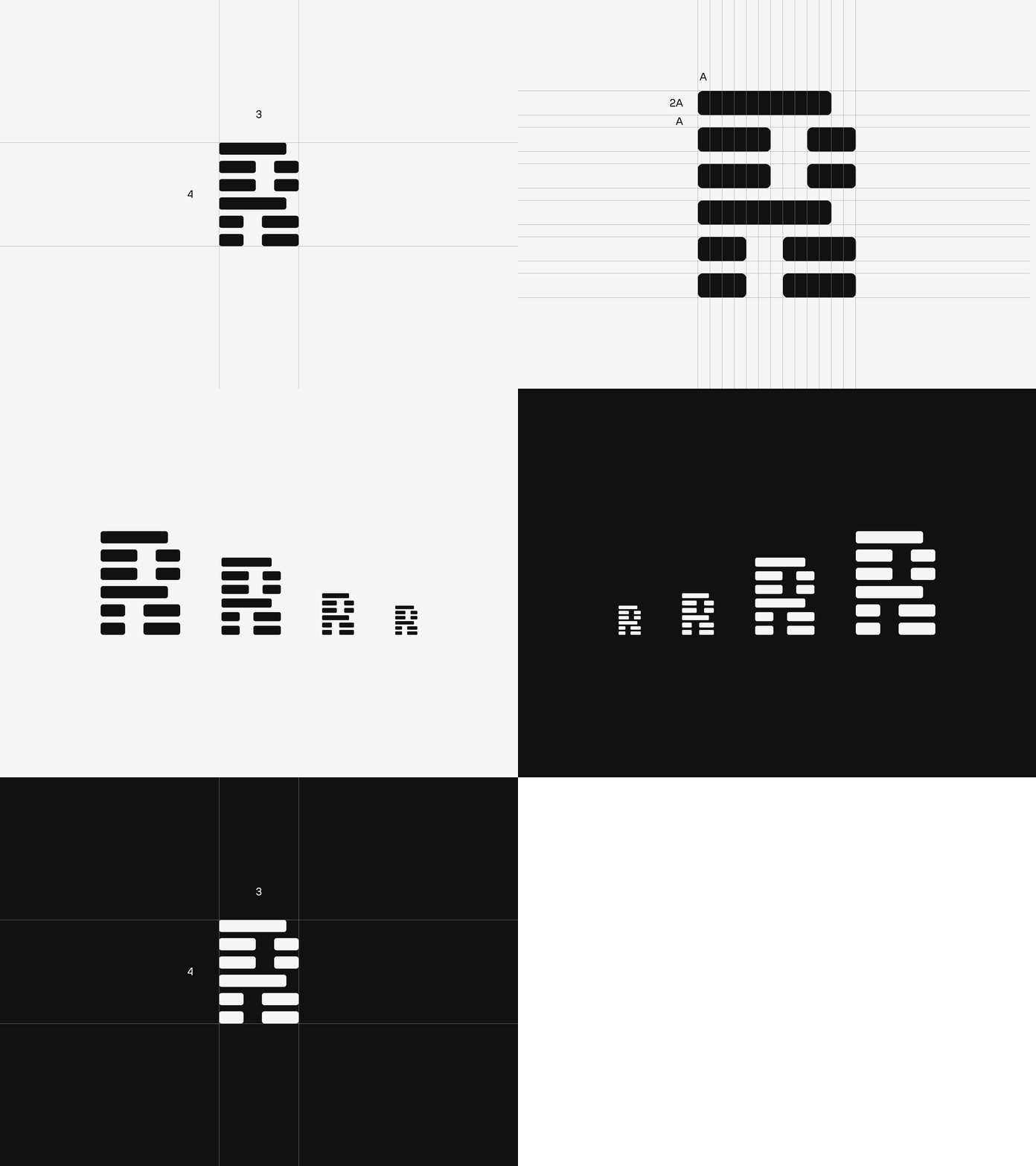
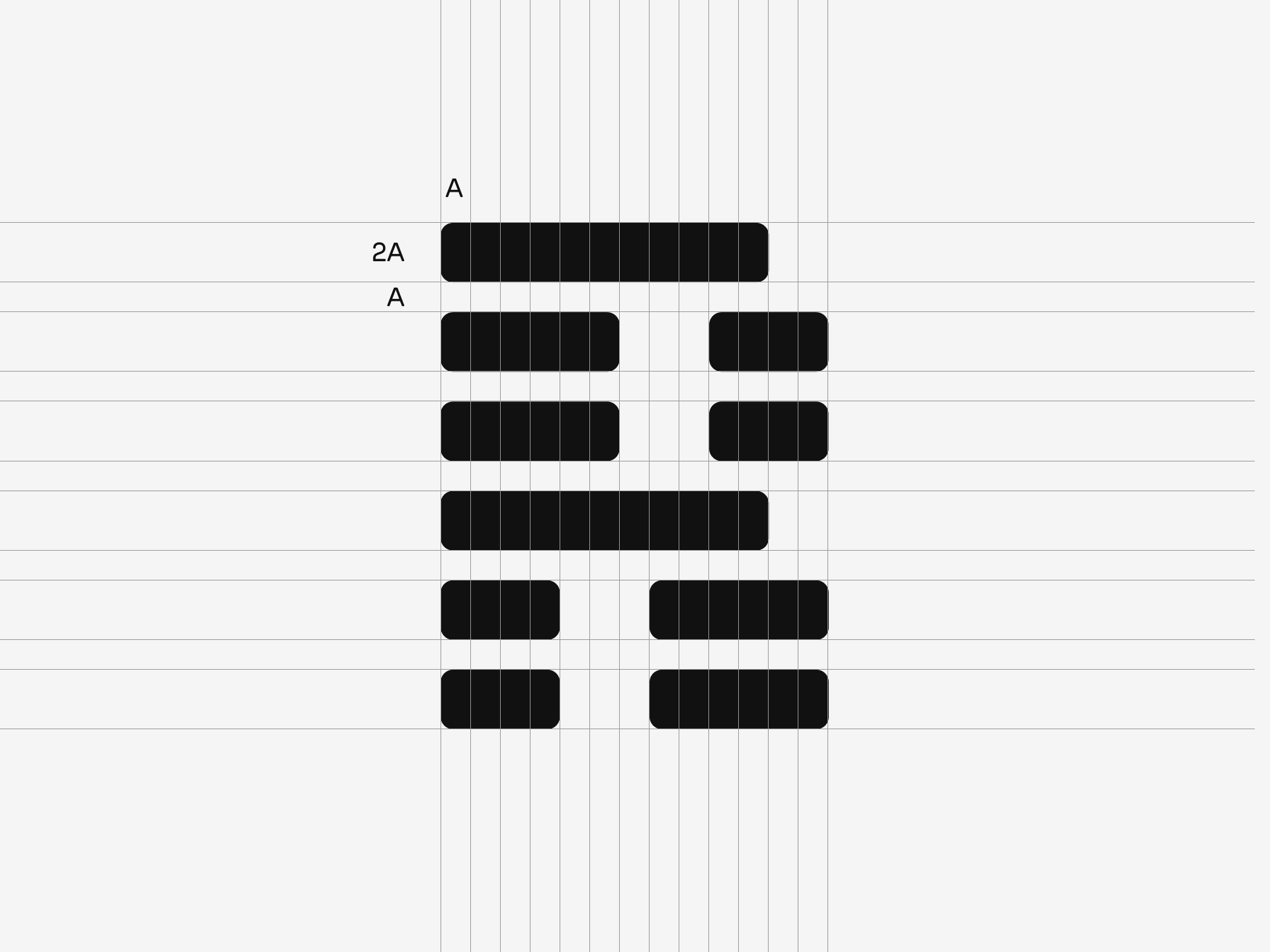
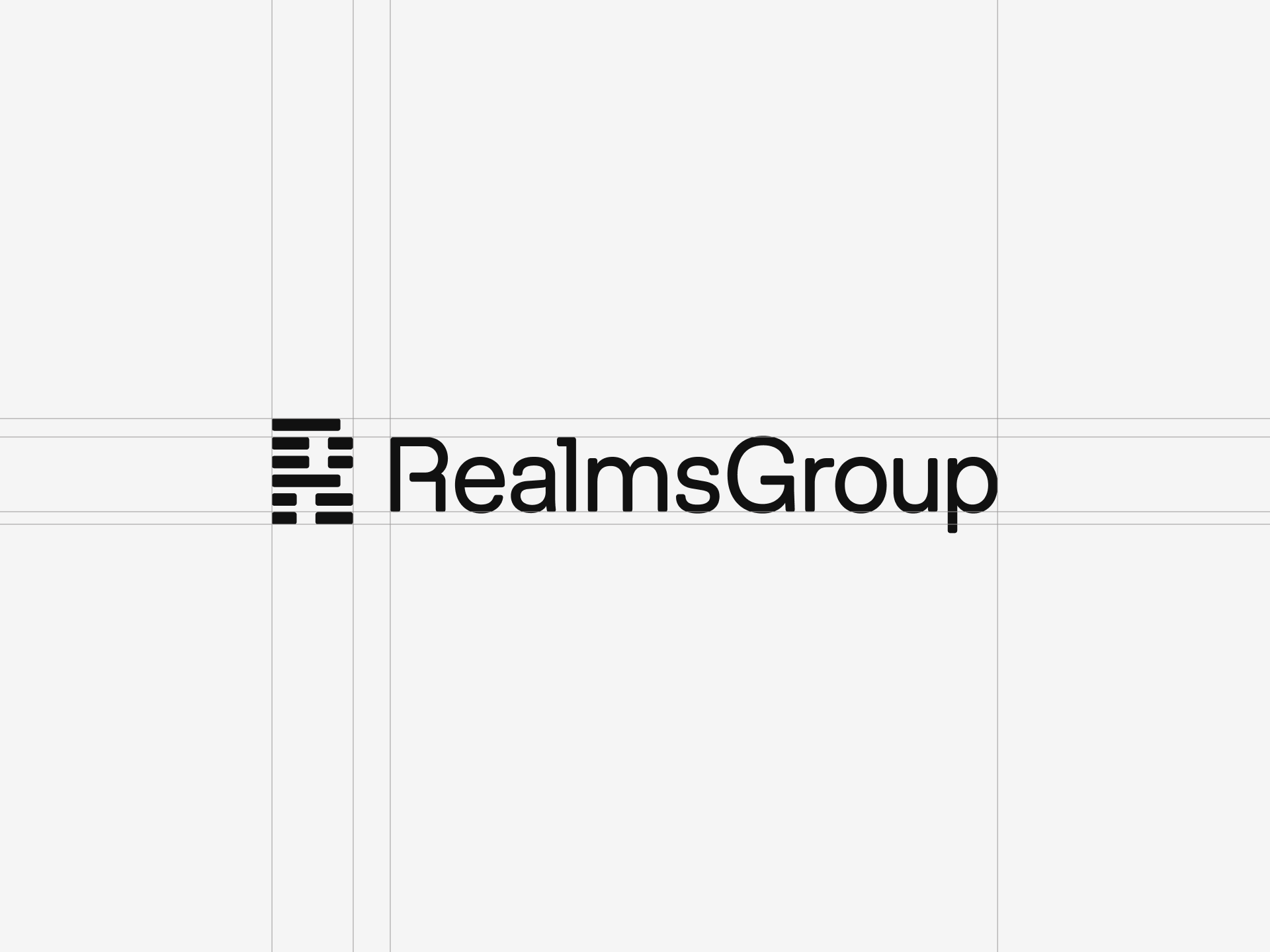
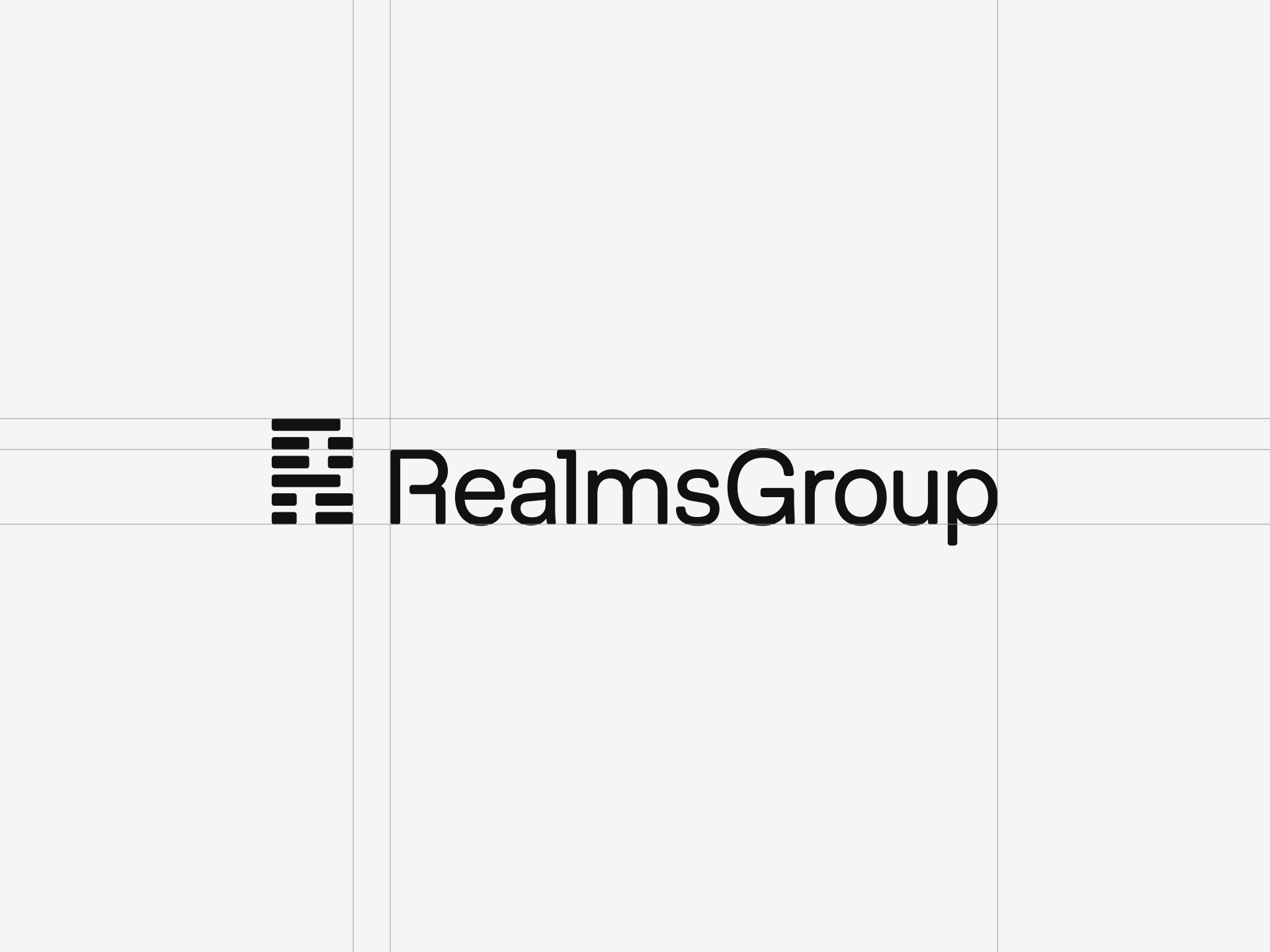
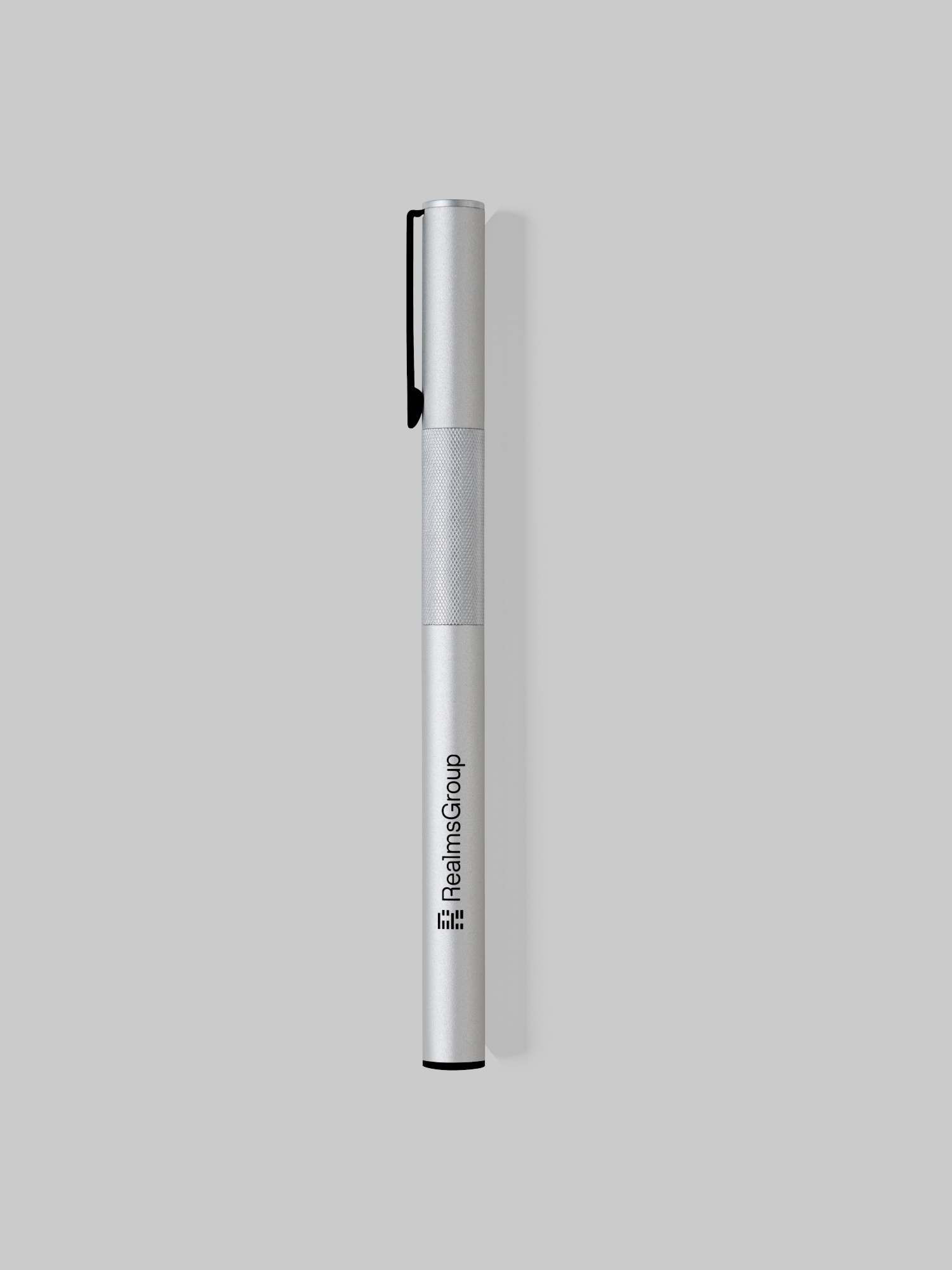
The logo reduces the Bifröst concept to pure geometry: a continuous line forming the letter R. The stroke doesn't break—it flows from vertical stem through diagonal bridge to curved terminal in one uninterrupted path. This creates the visual principle of connection: separate elements (letterforms, spaces) unified through continuous movement.
- Logotype
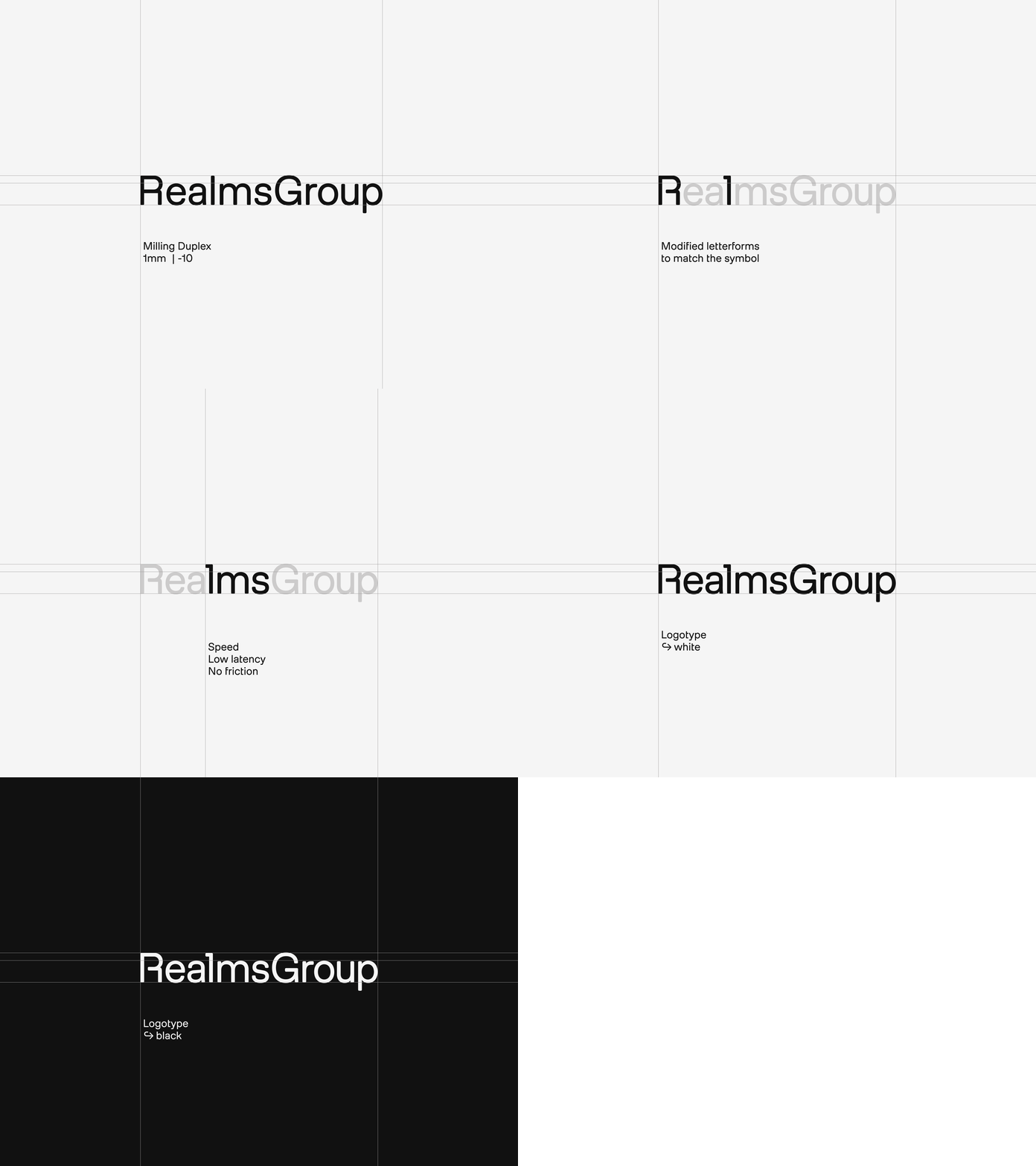
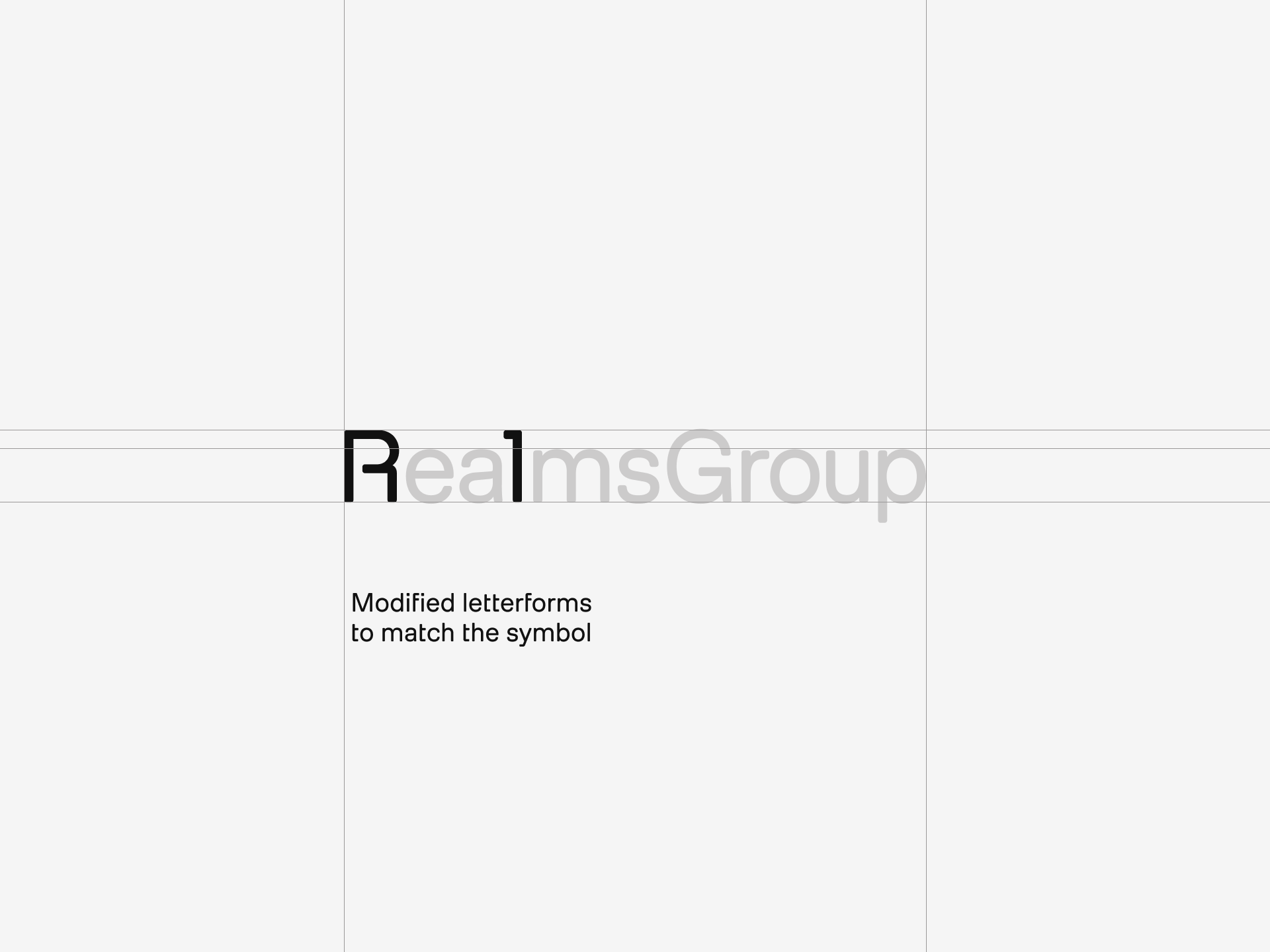
The logotype uses Milling typeface for its constructed geometry—sharp stems with softened terminals create technical precision without coldness. The typeface customization embeds "1ms" in the letter spacing, referencing the millisecond-level precision required in real-time esports data and AI generation. Infrastructure precision made typographic.
- identity
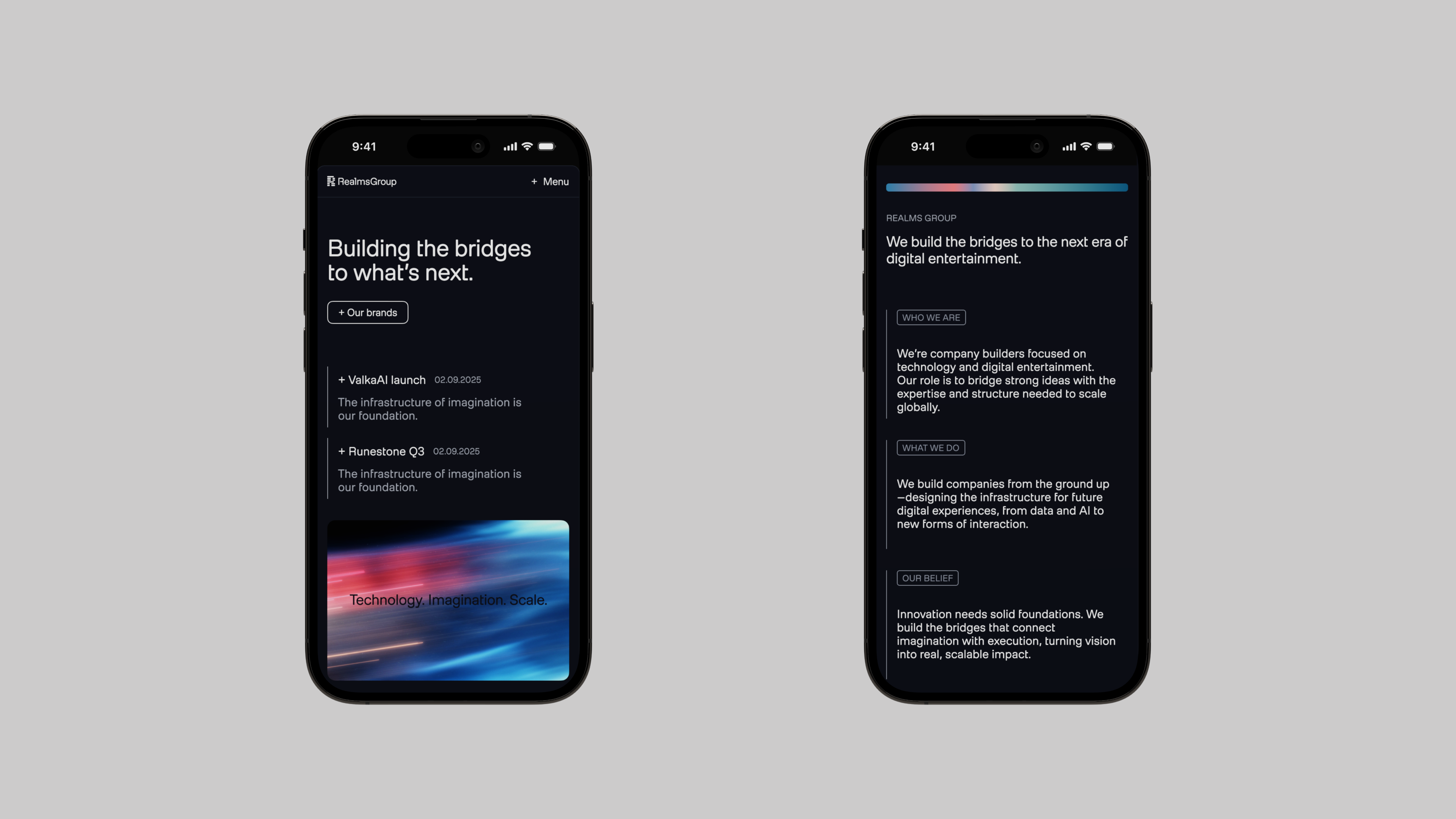
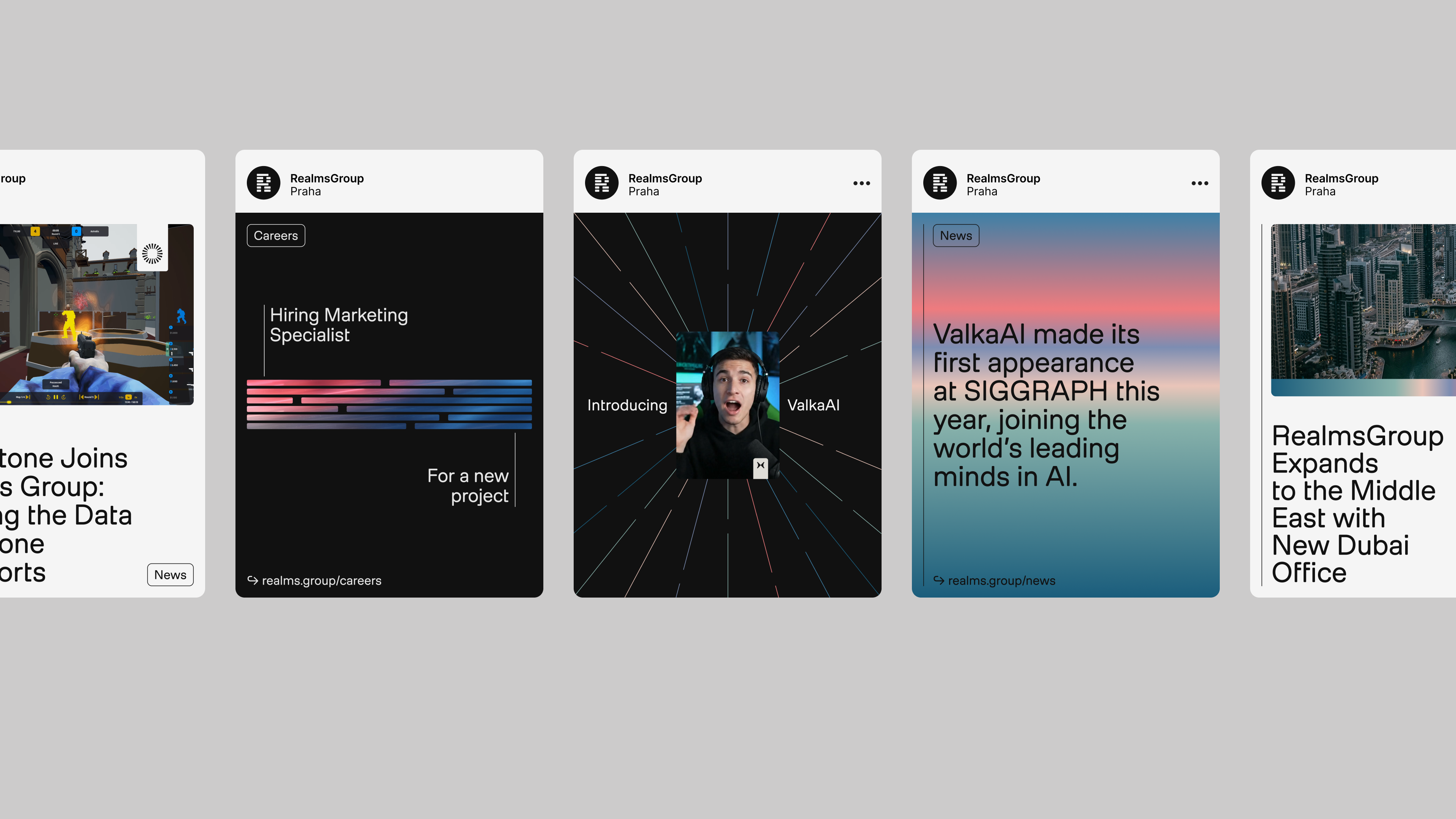
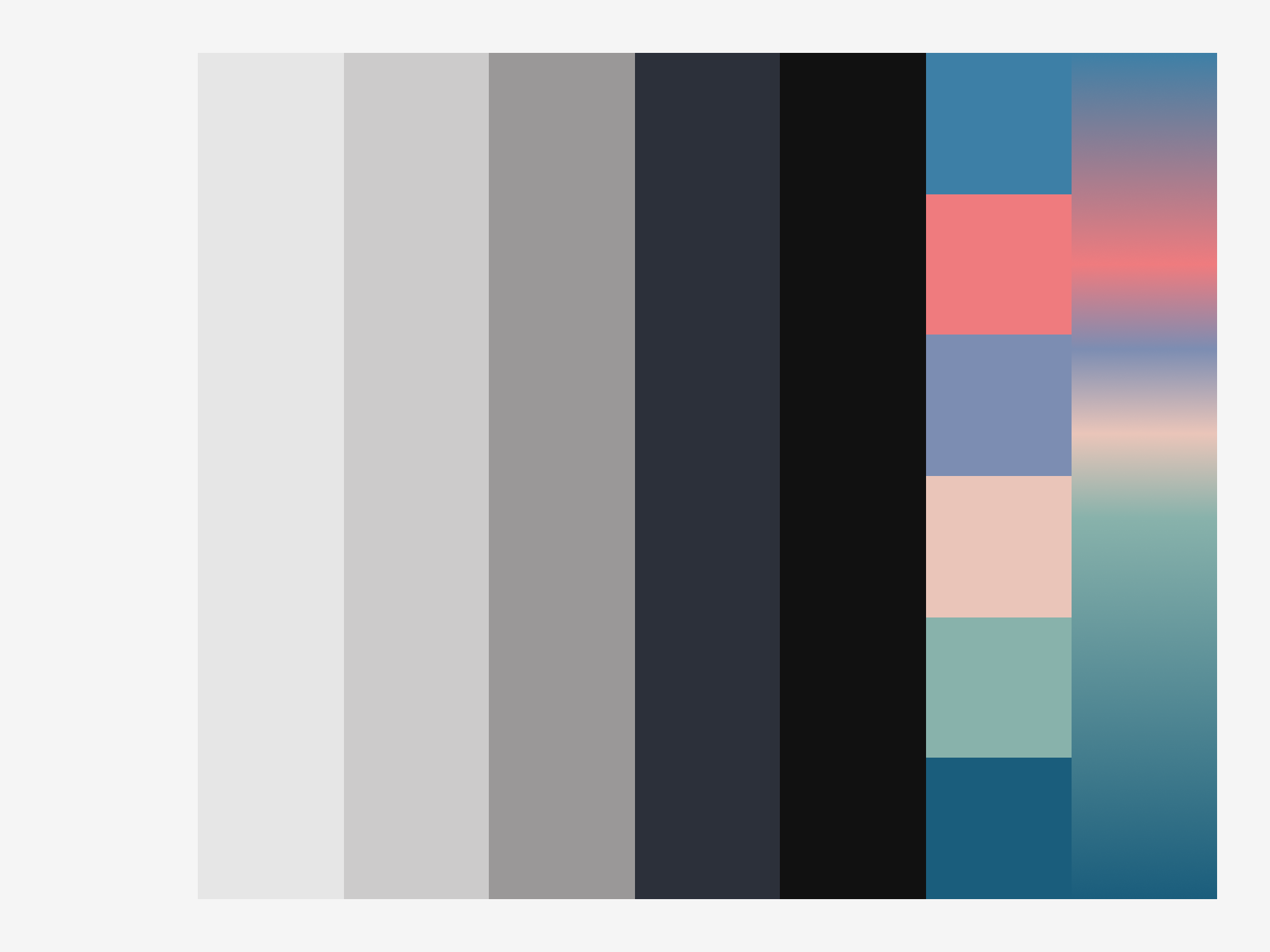
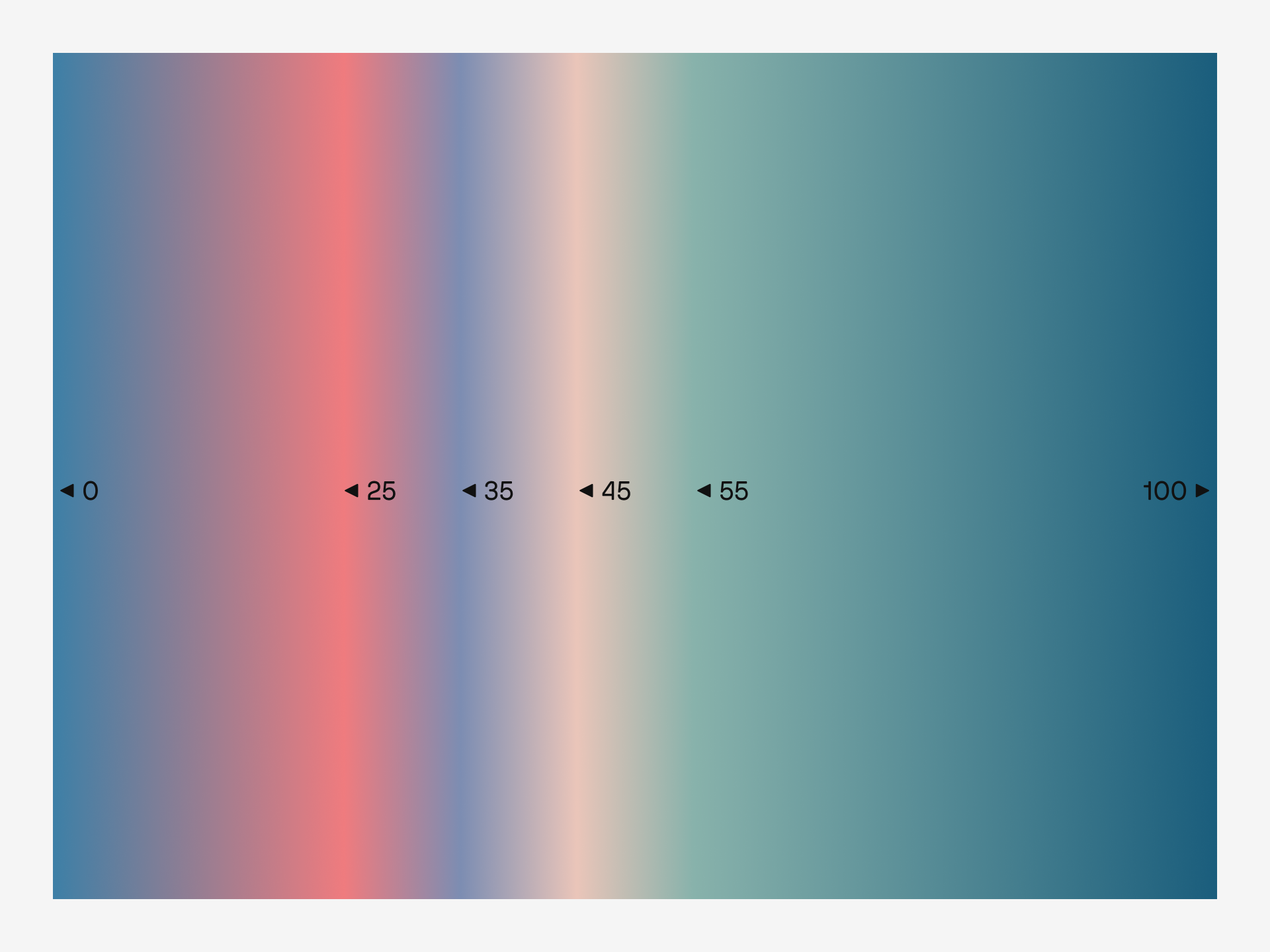
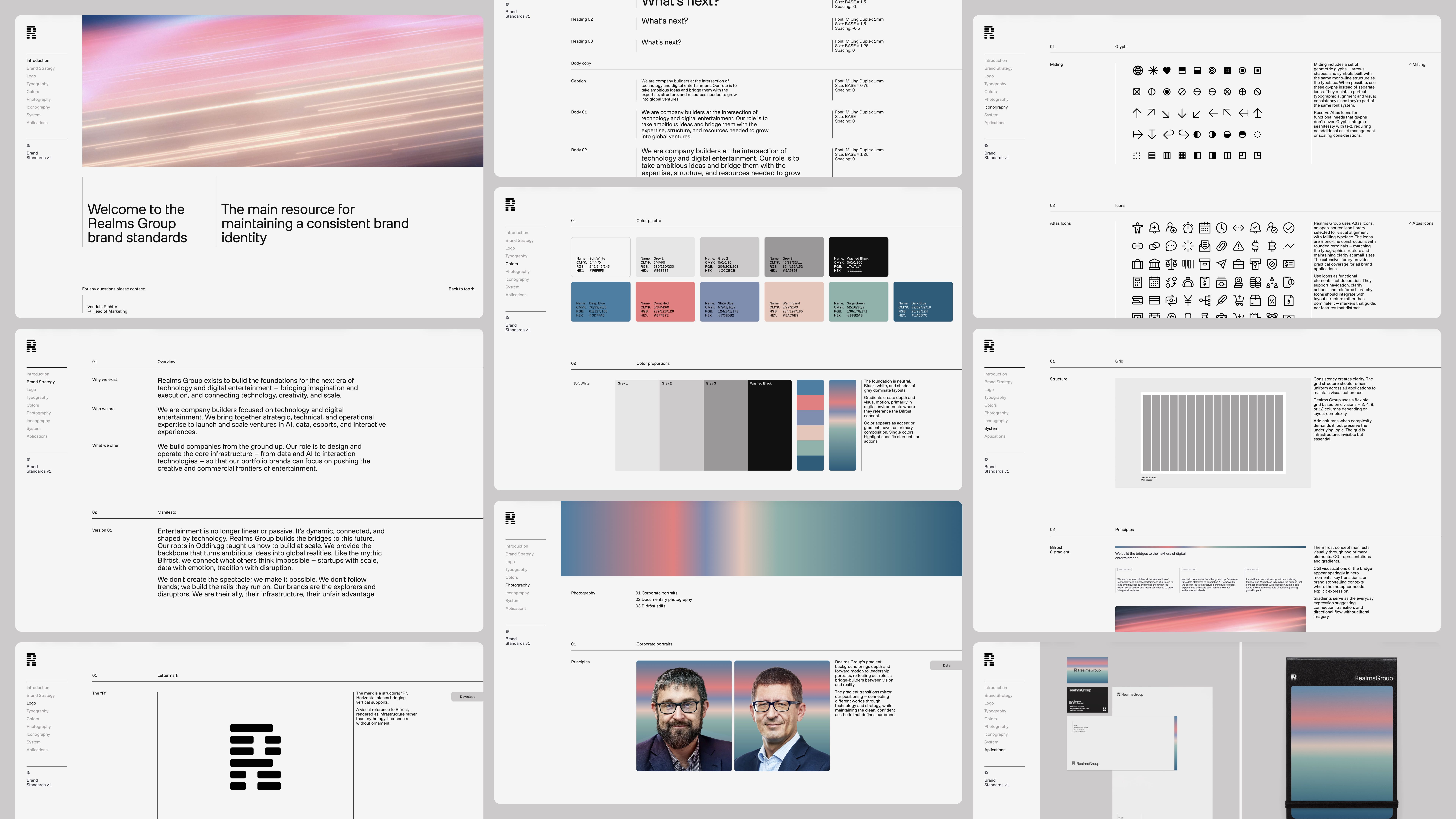
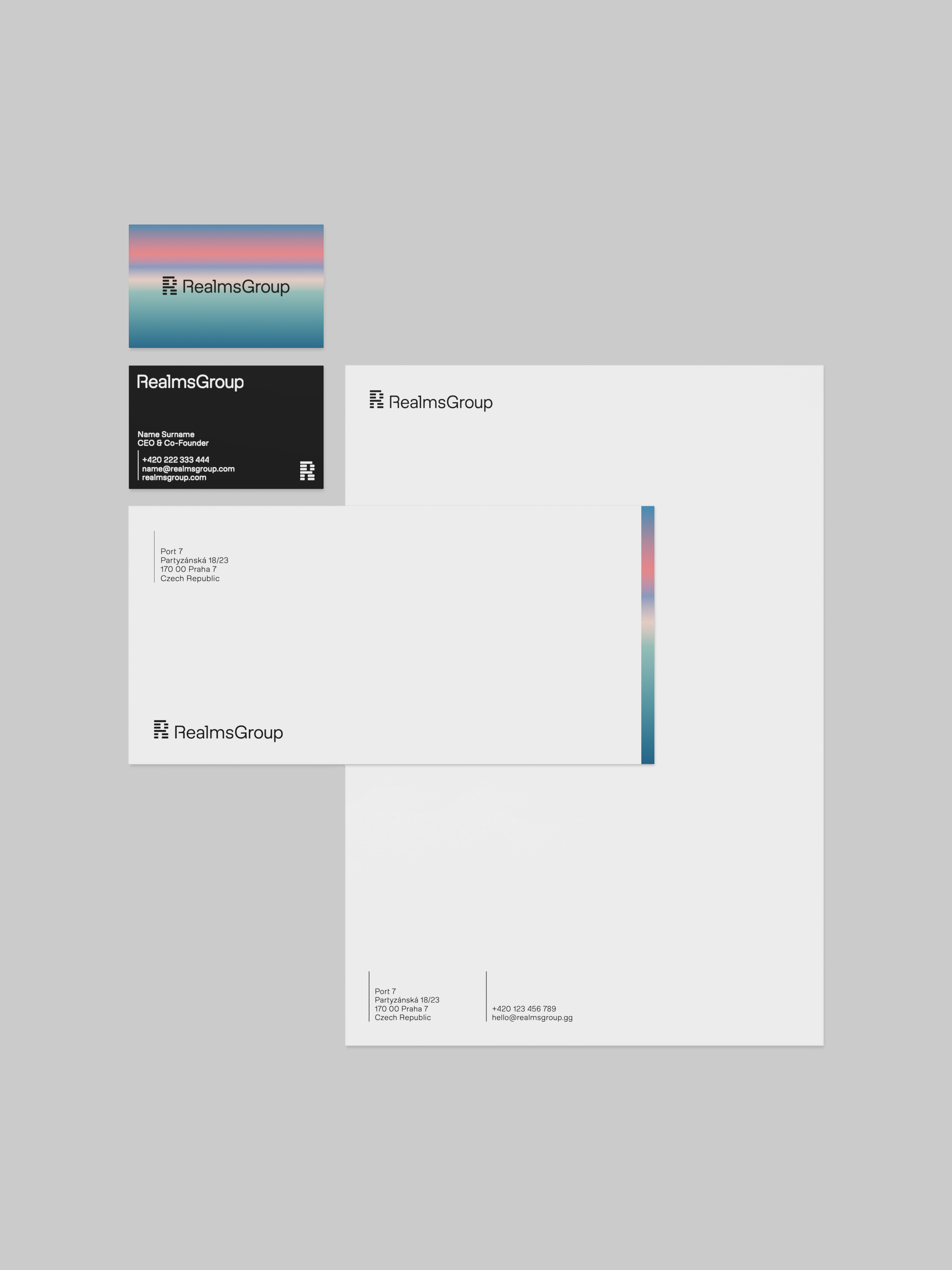
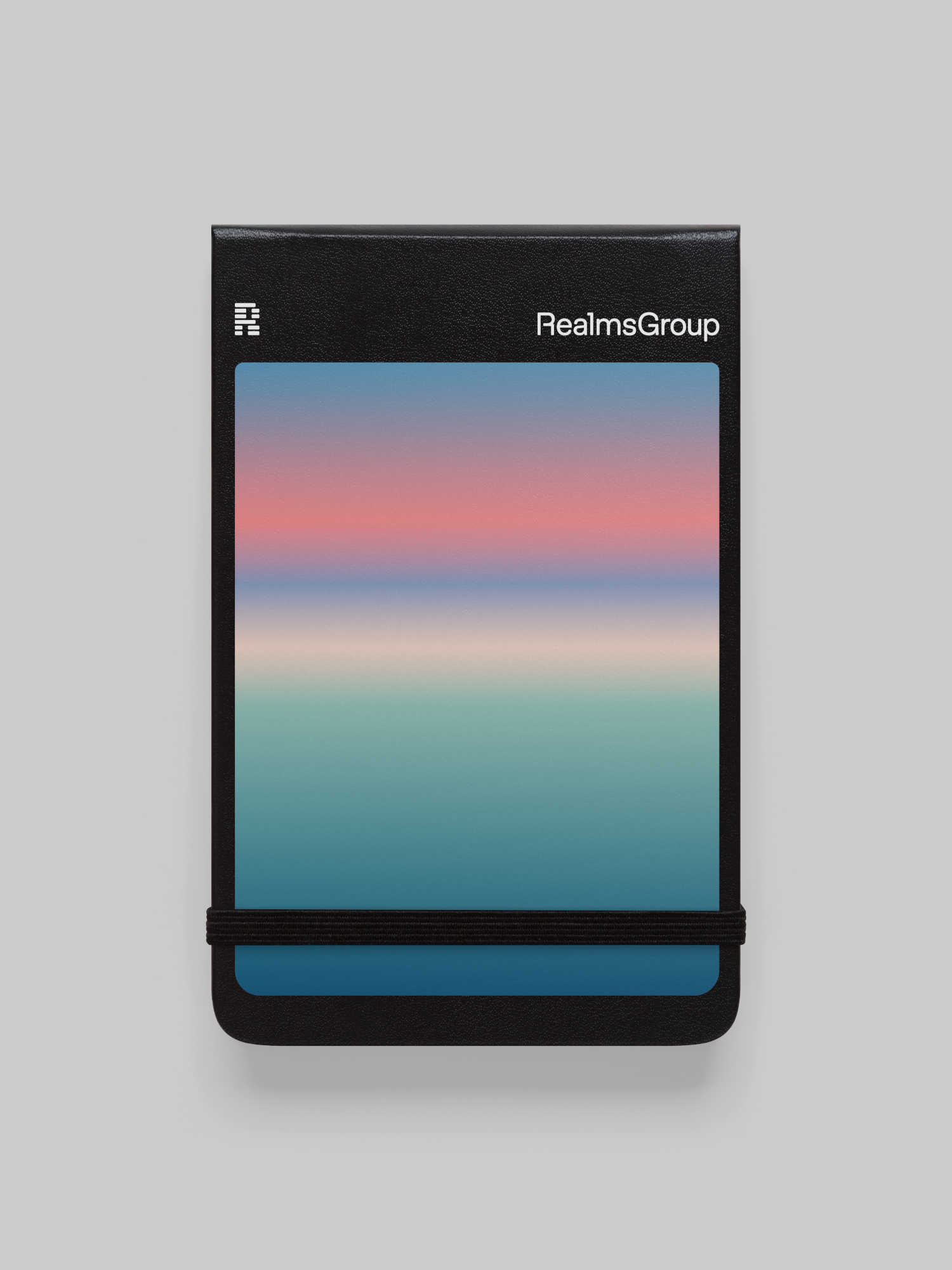
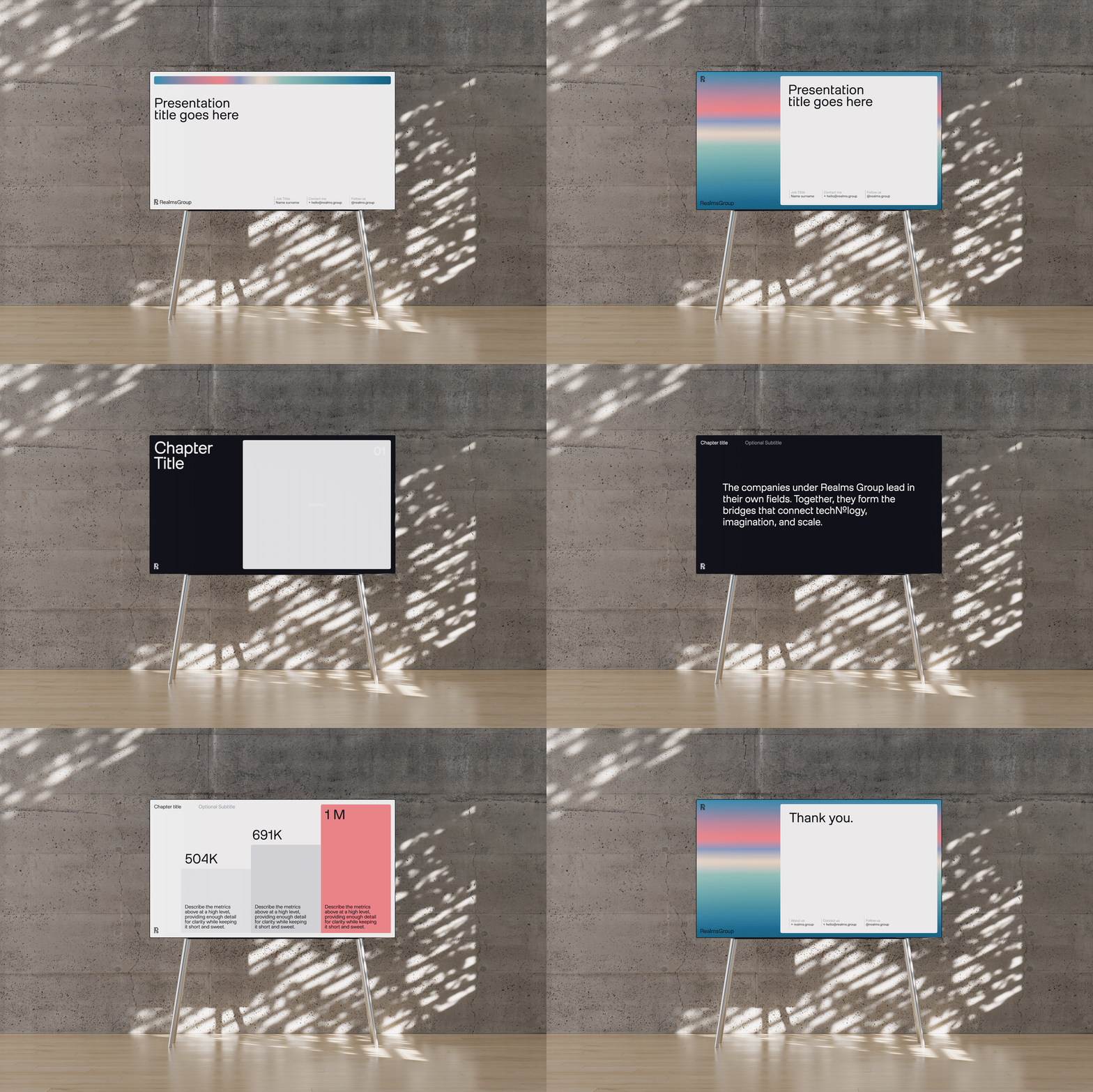
The visual system uses Milling typeface and structured gradient systems to signal technical precision, but these assets stay in the background—corporate materials, investor decks, internal documentation. A 3D visualization of Bifröst serves as the hero visual, communicating journey to new territories without competing with portfolio brands. The parent brand provides infrastructure credibility while portfolio brands own visual attention.
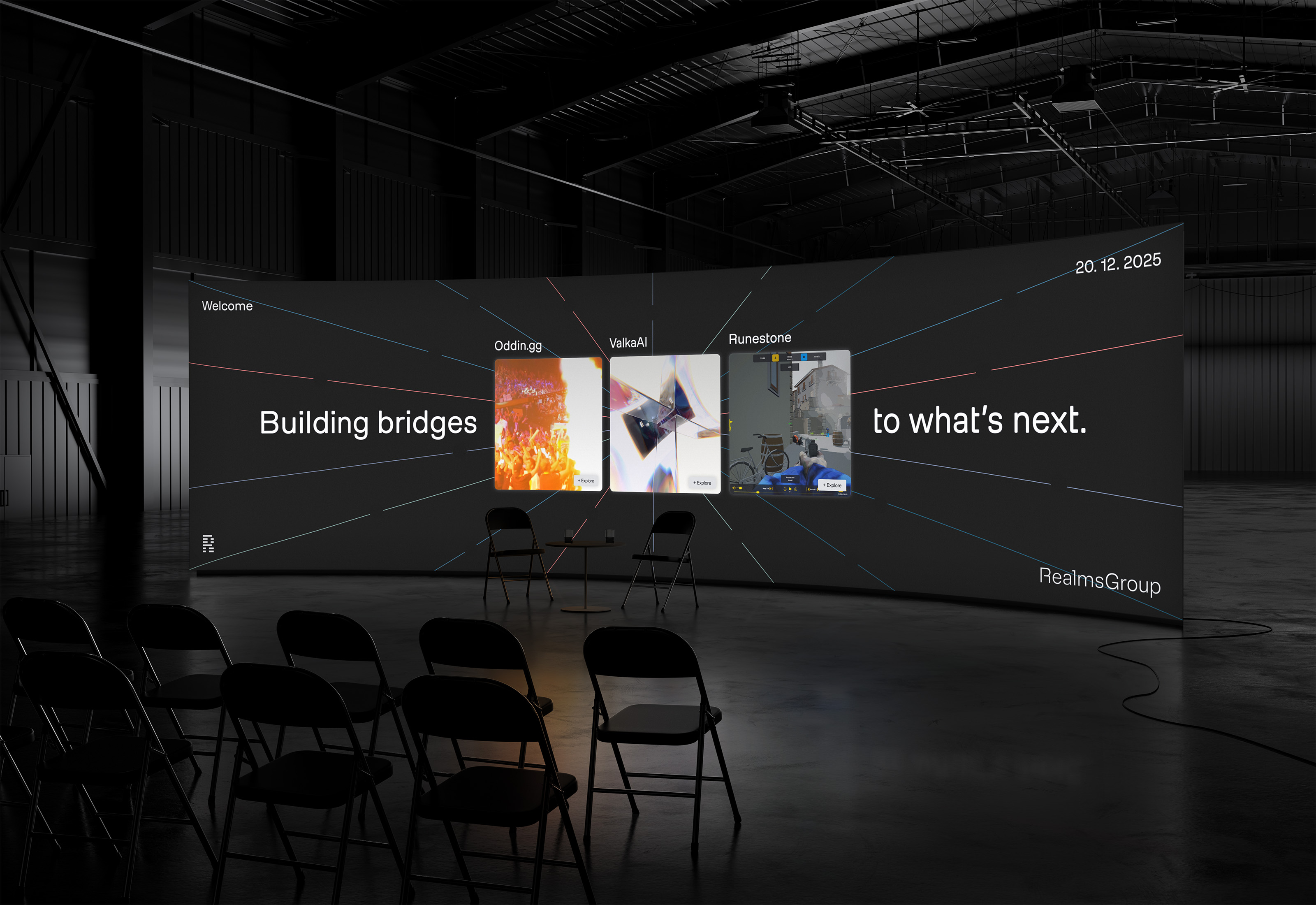
The result: an architecture that scales. New portfolio brands can join without rebranding. Existing brands can evolve without corporate approval. The holding company provides infrastructure: technical, operational, financial. Not brand mandates.
Realms Group: Portfolio Architecture Without Forced Unity.
Realms Group needed to organise four fast-growing digital entertainment companies under one coherent structure without forcing artificial unity. Each brand operates in a different space: esports betting infrastructure, AI personas, data feeds, esports portals and more is to come. All share technical DNA and operational approach but serve distinct markets.
The brand challenge: create an architecture that signals shared standards and credibility while letting each portfolio brand own its category independently. No forced visual unity. No corporate overlay that dilutes individual brand strength.
The naming strategy emerged from strategic workshops mapping the relationship between parent company and portfolio brands. But naming also had to reflect founder DNA. Realms Group's leadership team built Oddin.gg from zero to market leader by understanding betting infrastructure from the inside. This created an unusual strategic opportunity: Nordic mythology wasn't borrowed positioning, it was authentic heritage.
"Realms" captures both the Nordic heritage of flagship brand Oddin.gg and the functional reality of the structure: separate worlds, each with its own rules and territories. The holding company doesn't govern these realms — it connects them. This led to the core brand idea: Bifröst, the mythological bridge linking independent worlds. Not a metaphor for marketing materials, but an operational principle. Realms Group builds the bridges: shared data infrastructure, AI development capabilities, operational systems that let portfolio companies move between their individual markets and collective technical strength.
This authenticity became a strategic asset. When founders genuinely inhabit gaming, esports and mythological pop culture, those references carry operational weight. Partners and investors don't see marketing theatre. They see operators whose bold positioning matches actual behaviour. The brand can make claims like "building bridges to what's next" that would ring hollow from a conventional holding company, but land as credible from this team.
The visual system reflects this infrastructure role. Realms identity uses custom Milling typeface and structured gradient systems to signal technical precision, but these assets stay in the background—on corporate materials, investor decks, internal documentation. Portfolio brands maintain complete visual independence while benefiting from shared operational infrastructure. The parent brand is a bridge, not a banner.
The result: an architecture that scales. New portfolio brands can join without rebranding. Existing brands can evolve without corporate approval. The holding company provides infrastructure: technical, operational, financial. Not brand mandates.
Brand strategy: in-house
Brand design: in-house
Photography: in-house
Webdesign: in-house
3D logo animation: Kryštof ježek